

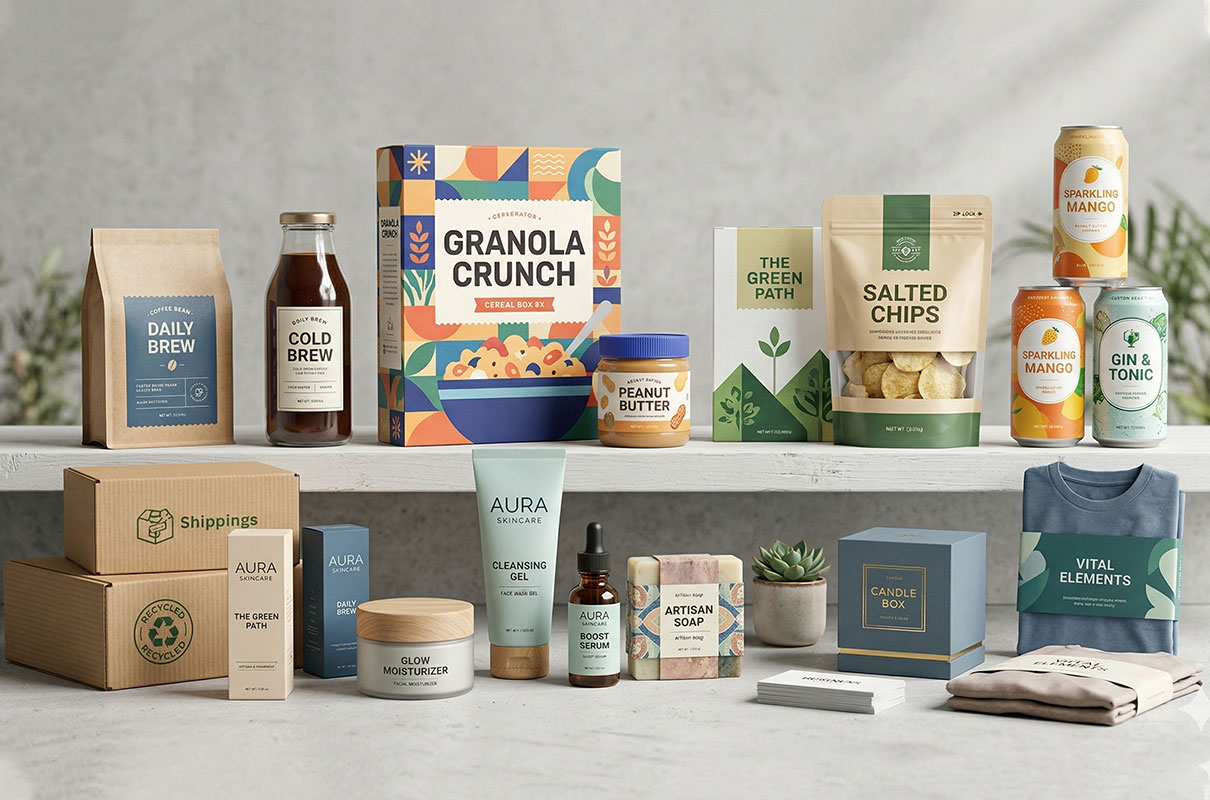
In 2026, packaging design is no longer just about wrapping a product—it’s about storytelling, sustainability, and creating a memorable customer experience. With the rapid growth of e-commerce, social media influence, and environmentally conscious consumers, brands are rethinking how they design packaging.
Modern packaging must be visually appealing, functional, cost-effective, and eco-friendly. Whether you are designing for FMCG products, luxury goods, or D2C brands, packaging plays a critical role in influencing purchase decisions and brand loyalty.
This article explores what packaging design is, eco-friendly material types, and what makes sustainable packaging truly attractive in 2026.
What Is Packaging Design?
Packaging design is the process of creating the exterior of a product. It includes choices related to:
- Materials
- Structure
- Colors
- Typography
- Graphics
- Branding elements
But in today’s modern market, packaging design goes beyond just protection. It serves multiple purposes:
1. Brand Identity
Packaging reflects your brand personality. From minimal luxury to bold and colorful styles, it communicates who you are.
2. Marketing Tool
Packaging acts like a silent salesperson on shelves and online platforms. A well-designed package can attract attention instantly.
3. Customer Experience
With the rise of unboxing videos, packaging has become part of the overall customer journey.
4. Sustainability Statement
Consumers today prefer brands that care about the environment. Packaging is the first visible sign of that commitment.
In short, packaging design in 2026 is a combination of functionality, aesthetics, and responsibility.
Types of Eco-Friendly Packaging Materials that Need Design
Sustainability is no longer optional—it’s expected. Brands are actively shifting toward eco-friendly materials that reduce environmental impact. However, these materials still require smart and creative design to remain attractive and functional.
Here are the most popular eco-friendly packaging materials in 2026:
1. Recycled Paper and Cardboard
This is one of the most widely used sustainable materials.
Features:
- Made from post-consumer waste
- Biodegradable and recyclable
- Cost-effective
2. Biodegradable Plastics
Also known as bioplastics, these materials break down naturally over time.
Features:
- Derived from plant-based sources
- Reduced environmental impact compared to traditional plastic
3. Kraft Paper Packaging
Kraft paper is trending due to its raw and organic appearance.
Features:
- Strong and durable
- Fully recyclable
- Natural brown texture
4. Glass Packaging
Glass is making a strong comeback in premium and sustainable branding.
Features:
- 100% recyclable
- Reusable
- Chemical-free
5. Metal Packaging (Aluminum & Tin)
Used mainly in food, beverages, and cosmetics.
Features:
- Highly durable
- Recyclable
- Long shelf life
6. Compostable Packaging
These materials decompose into natural elements within a short period.
Features:
- Made from organic materials
- Leaves no toxic residue
7. Fabric-Based Packaging
Reusable cloth bags and wraps are gaining popularity.
Features:
- Reusable and washable
Reduces single-use waste
What Makes Sustainable Packaging More Attractive?
Creating eco-friendly packaging is not enough—it must also appeal to customers visually and functionally. Let’s explore the key factors that make sustainable packaging more attractive in 2026.
- Product Protection
- Optimum cost
- Unboxing experience
- Innovative shape
- Reduce the volume of packaging
- Innovative Materials
Final Thoughts
Packaging design in 2026 is a powerful combination of creativity, sustainability, and functionality. It is no longer just about covering a product—it’s about creating an experience, communicating brand values, and reducing environmental impact.
From eco-friendly materials to innovative shapes and engaging unboxing experiences, modern packaging must meet both business goals and customer expectations.
Brands that invest in smart, sustainable packaging design will not only stand out in the market but also build long-term trust and loyalty.
As the industry continues to evolve, one thing is clear:
The future of packaging design is not just beautiful—it’s responsible.