

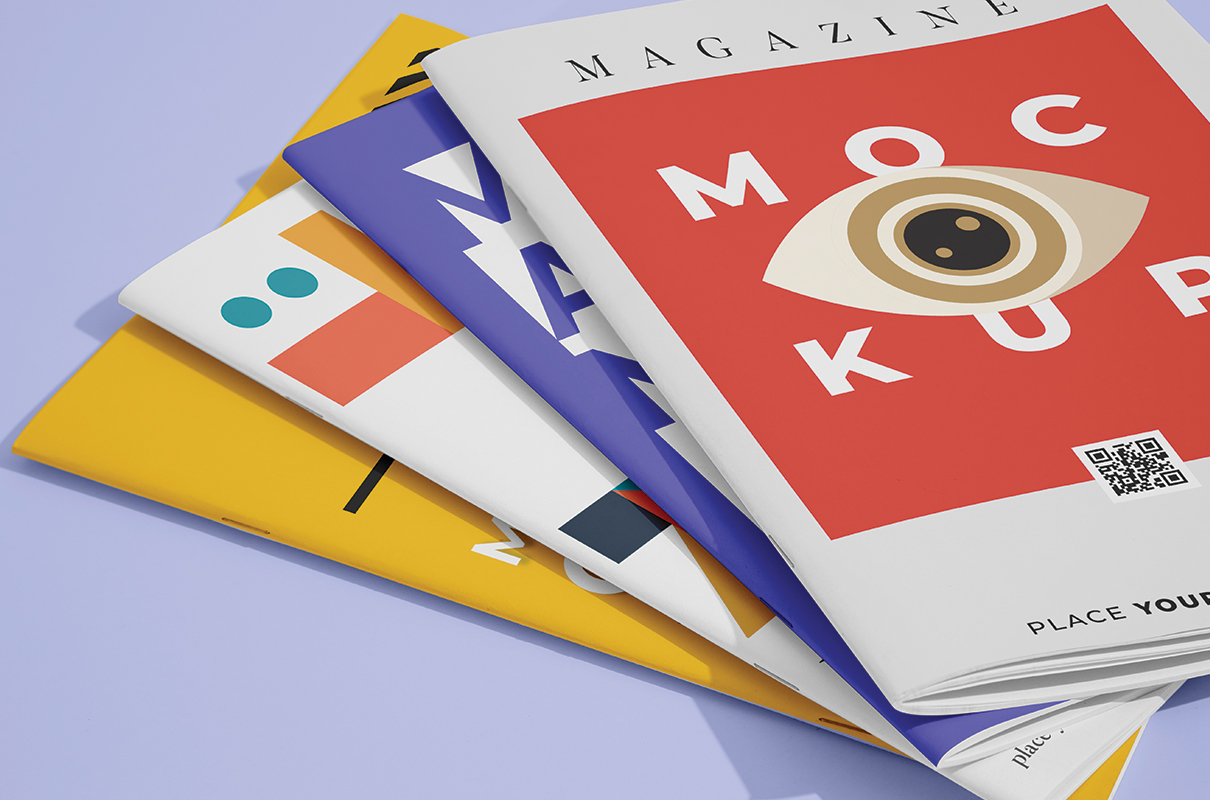
In 2026, corporate brochures are no longer just printed company profiles — they are powerful brand storytelling and conversion tools. Whether it’s a Manufacturing Company Brochure, an Industrial Product Catalogue, or a Fintech Company Brochure, businesses are redesigning their approach to match evolving buyer expectations.
Modern decision-makers want clarity, credibility, and confidence. As a result, companies are shifting toward smarter, cleaner, and more strategic B2B Brochure Design approaches.
Here are the Top Corporate Brochure Design Trends 2026 that brands are actively adopting.
1. Premium Minimal Layouts
Minimalism continues to dominate — but in 2026, it’s premium minimalism.
Minimalist Brochure Design now focuses on:
- Strong grid systems
- Generous white space
- Large typography hierarchy
- Limited but powerful color palettes
- Strategic content blocks
Corporate buyers prefer clean layouts that make information easy to scan. Especially in industries like manufacturing and fintech, clarity builds trust.
2. Digital-First Brochures
Print is still valuable — but design now starts with digital.
In 2026, brochures are created primarily for:
- PDF distribution
- Website downloads
- WhatsApp sharing
- Email attachments
- LinkedIn messaging
Digital-first brochures include:
- Clickable navigation
- Embedded videos
- Hyperlinked CTAs
- Interactive charts
- Optimized mobile viewing layout
This is especially powerful in B2B Brochure Design, where sales teams share presentations directly with decision-makers.
Even traditional industries now demand responsive brochure formats. An Industrial Product Catalogue is no longer just a 40-page PDF — it’s an interactive experience.
3. Story-Driven Content
Corporate brochures are shifting from “We do this” to “Here’s how we solve your problem.”
Storytelling structure in 2026 typically follows:
- Industry challenge
- Market gap
- Your company’s expertise
- Case studies
- Measurable results
- Future vision
- This approach increases engagement significantly.
4. Data-Led Design
In 2026, design and data go hand in hand.
Modern brochures include:
- Performance metrics
- Market growth statistics
- Efficiency comparisons
- ROI breakdowns
- Clean Infographic Design elements
- Corporate buyers want proof.
This is especially important in:
- Fintech Company Brochure
- Industrial Product Catalogue
- Technical B2B sectors
Using Clean Infographic Design, brands simplify complex technical information into:
- Bar charts
- Process flow diagrams
- Comparison tables
- Visual KPI dashboards
- The goal? Make complex data visually simple.
5. Unified Brand Identity
One of the biggest trends in 2026 is brand consistency.
Your brochure must align with:
- Website design
- Social media visuals
- Packaging design
- Corporate presentation decks
- Email templates
- Unified brand identity includes:
- Consistent typography
- Defined color systems
- Logo usage guidelines
- Visual tone
- Photography style
Whether it’s a Fintech Company Brochure or an Industrial Product Catalogue, visual inconsistency reduces trust.
Strong B2B Brochure Design ensures that every touchpoint reflects a cohesive brand story.
7. Luxury Print Finishes
Despite digital growth, premium print is making a comeback.
Luxury print techniques in 2026 include:
- Soft-touch matte lamination
- Spot UV highlights
- Embossed logos
- Foil stamping
- Textured paper stock
- Die-cut covers
- High-end Minimalist Brochure Design combined with luxury finishing creates a powerful first impression.
This is common in:
- High-value B2B industries
- Machinery & manufacturing sectors
- Corporate investor presentations
A well-finished Industrial Product Catalogue reflects product quality and brand positioning.
Print is no longer cheap marketing — it’s a premium branding tool.
8. Modular Brochure Systems
Instead of one large brochure, companies now use modular systems.
This means:
- Core company profile booklet
- Separate product inserts
- Industry-specific case studies
- Technical specification sheets
Why These Trends Matter in 2026
- Corporate buyers today are:
- Research-driven
- Time-sensitive
- Data-focused
- Experience-oriented
- A poorly designed brochure signals:
- Lack of professionalism
- Weak brand identity
- Outdated positioning
On the other hand, a modern Minimalist Brochure Design with strong storytelling, clean infographics, and digital adaptability signals innovation and reliability.
Whether you’re designing:
- A Manufacturing Company Brochure
- A Fintech Company Brochure
- Or an Industrial Product Catalogue
- The strategy must focus on clarity, credibility, and conversion.
Final Thoughts
The corporate brochure in 2026 is no longer just a printed document — it’s a strategic brand asset.
The most successful brochures combine:
- Premium minimal layouts
- Digital-first functionality
- Story-driven structure
- Data-led design
- Unified brand identity
- Authentic visuals
- Luxury finishing
- Modular flexibility
- Conversion-focused CTAs
When executed correctly, your B2B Brochure Design becomes more than marketing — it becomes a powerful business development tool.
If your company is planning to redesign its brochure in 2026, focus not just on design aesthetics, but on strategic communication.
Because in today’s competitive market, clarity converts — and design builds trust.